
Explore Ivory Coast Cultural Tour: Art, Music & Local Life
 By Axel Donovan
| Update on: Feb 27, 2026
By Axel Donovan
| Update on: Feb 27, 2026
An Ivory Coast cultural tour offers a deep and rewarding journey into one of West Africa’s most diverse societies. With more than 60 ethnic groups, centuries-old traditions, sacred architecture, and vibrant music and dance, Côte d’Ivoire is a destination where culture is not confined to museums—it is lived daily.
This guide explains what to expect on a cultural tour of the Ivory Coast, the best places to visit, and how to experience local traditions respectfully and meaningfully.
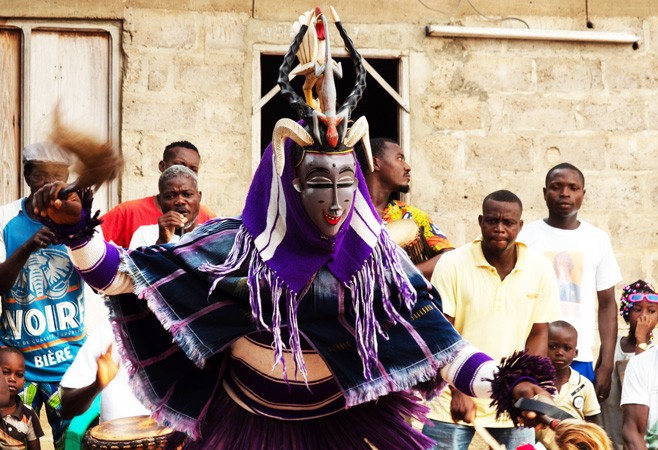 Traditional Goli masked dance is one of the most mesmerizing traditions encountered on the Ivory Coast cultural tours
Why Choose a Cultural Tour in the Ivory Coast?
Ivory Coast's strength lies in its ethnic mosaic: Akan (including Baoulé), Gur (Senufo), Mandé, and Krú groups each bring unique customs, music, and art. Mask dances connect the living to ancestors and spirits, while markets buzz with handmade crafts like weaving, pottery, and wood carving. Tourism remains low-key, so visits feel authentic—often with warm welcomes from locals who share stories over palm wine or grilled fish.
These tours combine history, spirituality, and creativity, making them ideal for travelers seeking meaningful connections rather than crowded sites.
Top Destinations for Cultural Immersion
Abidjan: Urban Gateway to Ivorian Culture
Start in the economic capital, where modernity meets tradition. Wander through bustling markets such as Treichville or Cocody for fresh produce, fabrics, and street food tastings (try attiéké with grilled fish). Visit the National Museum to see artifacts showcasing ethnic diversity, or browse contemporary galleries like Galerie Cécile Fakhoury for modern Ivorian art.
Join a city tour to see daily life, religious practices, and vibrant neighborhoods. Abidjan's nightlife often features live Afrobeat or traditional music—perfect for easing into the cultural rhythm.
Grand-Bassam: Colonial Charm and Coastal Heritage
This UNESCO World Heritage Site, the former French capital, blends faded colonial architecture with Ivorian flair. Stroll through Quartier France to see preserved buildings, museums, and batik workshops where you can try dyeing techniques.
The town hosts naming ceremonies and local festivals—great for witnessing community traditions. Relax on nearby beaches while soaking up the blend of history and everyday life.
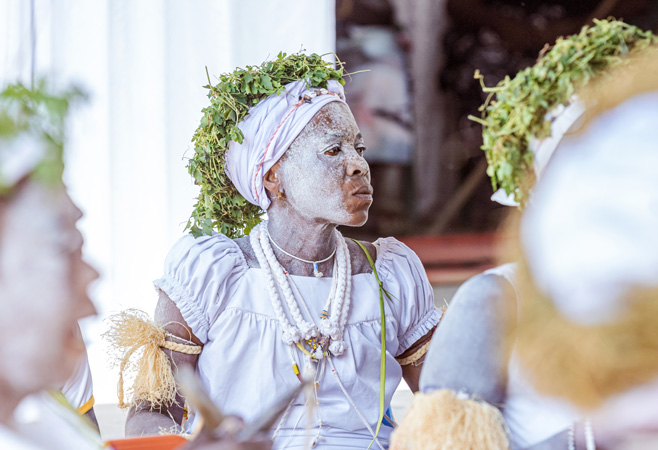 Exploring the Ivory Coast's rich ethnic diversity from over 60 groups
Yamoussoukro: Spiritual and Architectural Marvels
The political capital surprises with the massive Basilica of Our Lady of Peace (larger than St. Peter's in Rome) overlooking savanna landscapes. Nearby, explore Baoulé folklore and villages for Goli mask dances—human-like and disk-faced masks appear in rituals honoring harvests or ancestors.
Don't miss the Presidential Palace area or local markets for insights into central Ivorian life.
Man Region: Festival of Masks and Dan Traditions
Western Ivory Coast shines for its Fêtes des Masques (Festival of Masks), usually in November/December, with village contests honoring forest spirits through elaborate dances. The Dan people excel in acrobatic performances, raffia costumes, and stilt dances.
Visit sacred forests, watch initiation rites, or see acrobatic "snake girls" rituals among the Guéré. The area's waterfalls and mountains add scenic beauty to cultural stops.
Korhogo and Northern Villages: Senufo Artistry
Head north to meet the Senufo, renowned for wood carvings, initiation rites (up to 21 years long), and dances like the Boloye (Panther Dance) or N'Goron fire dance. Explore artisan centers in Waraniéné for weaving and pottery demos—many let visitors try simple techniques.
Nearby Boundiali or Fakaha offer sacred buildings and shrines. The Gbon Coulibaly Museum displays stunning ethnographic pieces.
Bouaflé and Guro Country: Zaouli Magic
The Zaouli dance of the Guro people—UNESCO-recognized—features intricate masks inspired by a legendary beauty. Performed in villages, it combines grace, rhythm, and storytelling. Attend a Goli dance here too for double the mask magic.
These central areas provide intimate village access and chances to meet weavers or griots (storytellers).
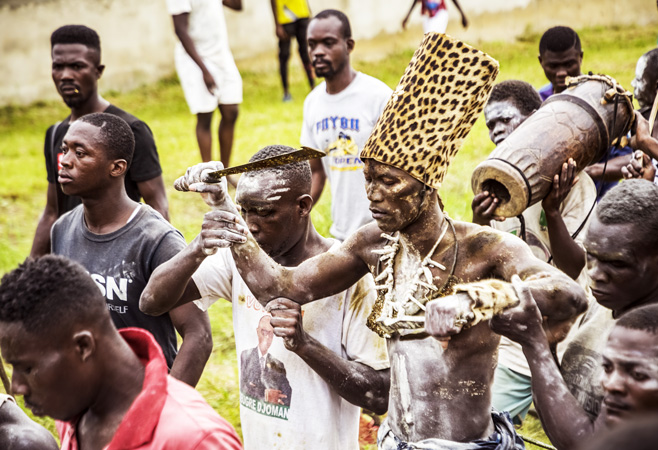 The Generation ceremony in GWA country in Dabre, Akoure, Alepe in Ivory Coast
Must-Experience Cultural Highlights
Mask Dances and Rituals — Zaouli (Guro), Goli (Baoulé), acrobatic Dan performances, Senufo initiations, and Komian ghost dances offer mesmerizing spectacles tied to spirituality.
Festivals — Fêtes des Masques (Man), Carnival in Bouaké (March), Fête du Dipri (April in Gomon for exorcism rituals), and local yam or palm festivals.
Craftsmanship — Watch or join sessions in weaving, wood carving, pottery, or jewelry making—buy directly from artisans to support communities.
Music and Dance — Drums, balafons, and griot songs accompany most events; evenings might include impromptu performances.
Local Cuisine — Sample attiéké, alloco, grilled meats, and sauces at markets or village meals—often shared communally.
Regional Specialties Worth Seeking
Each region has distinct cultural expressions:
South Coast: Akan people, including the Baoulé and Agni subgroups, are known for gold weights, kente cloth variants, and elaborate funeral traditions.
West: Dan wooden masks, some with movable jaws or multiple faces, rank among Africa's most sophisticated mask traditions.
North: Senufo culture includes sacred wood sculpture, mud-cloth textiles, and initiation rituals in sacred groves.
Center: Baoulé gold work and indigo-dyed cloth maintain high artistic standards.
Practical Considerations for Cultural Tours
Visas and Entry
Most nationalities need visas before arrival. The e-visa system simplified this process. Apply at least 7–14 days before travel to avoid delays.
Language
French is the official language. English speakers will struggle outside major hotels and tour operators. Learning basic French phrases helps enormously. In villages, local languages dominate, so guides become essential.
Currency and Costs
The West African CFA franc (XOF) is the currency. ATMs exist in cities but rarely in rural areas. Carry cash for village visits and markets.
Ivory Coast budget cultural tours vary widely. Budget travelers can manage on $40-50 daily for basic accommodations and local food. Mid-range tours with guides and better hotels run $100-150 daily. Luxury options exceed $300 daily.
Health and Safety
Yellow fever vaccination is mandatory for entry. Malaria prophylaxis is strongly recommended. Tap water isn't safe to drink—stick to bottled water.
Security conditions have improved in recent years, particularly in major cities and tourist areas. However, travelers should always check the latest government travel advisories before departure. Normal precautions apply: avoid displaying wealth, stay alert in crowds, and follow local advice. Northern border regions near Burkina Faso and Mali have occasional security concerns—check current advisories.
Cultural Etiquette
Greetings matter enormously. Always greet people before starting conversations or transactions. Elders receive particular respect. Using the right hand for eating and passing items is important in Muslim areas.
Photography requires permission, especially in villages and during ceremonies. Sacred objects and rituals may be off-limits. When in doubt, ask.
Dress modestly, particularly in rural areas and northern regions. Women should cover their shoulders and knees. Men should avoid shorts in formal or religious settings.
Best Time to Visit
November through February offers the most comfortable weather—dry and slightly cooler. March through May get hot before the rains arrive. The rainy season (May-October) makes rural travel difficult, though it's not impossible.
Festival dates often follow the lunar calendar or agricultural cycles, so confirm timing when planning around specific events.
 Are you ready for the Ivory Coast cultural tour?
Sample 7-Day Ivory Coast Cultural Tour Itinerary
Day 1
Focus Area
Highlights
Meals/Stay
Day 1-2
Abidjan/Grand-Bassam
Museums, colonial walks, markets
Seafood, beach guesthouse
Day 3-4
Yamoussoukro
Basilica, costume exhibits
Local stews, mid-range hotel
Day 5-6
Korhogo
Senufo masks, drum workshops
Yam fufu, village homestay
Day 7
Man
Forest rituals, farewell dance
Grilled chicken, eco-lodge
Two Week Deep Dive:
Add Kong (Islamic heritage), Korhogo (Senufo culture), and more time in villages. This allows for festival timing and deeper community engagement.
Three Weeks Comprehensive:
Cover all major regions, including the less-visited east and northern areas. Time for multiple festivals and extended village stays.
Planning Your Cultural Itinerary
What is the best way to get around for a cultural tour?
For the most authentic experience, hiring a 4x4 with a local driver-guide is essential. While "Gaka" (inter-city buses) are efficient for main roads, reaching the Senoufo or Dan villages requires local knowledge and a vehicle that can handle unpaved tracks.
Do I need a guide for village visits?
Yes. In Ivorian culture, "le droit d'entrée" (the right of entry) is vital. A guide will know how to properly greet the village chief, what small gifts to bring (usually Kola nuts or a small donation), and which areas are taboo for outsiders.
What is the best time for festivals?
The Fête des Masques in the Man region usually takes place in November. The Paquinou (Easter) is the best time to see Baoulé culture in the central region, as thousands of Ivorians return to their ancestral villages to celebrate.
Respecting Local Etiquette
Ask Before Photos: Especially during spiritual dances or in the presence of elders.
Use Your Right Hand: When shaking hands or giving/receiving items, always use the right hand.
Learn a Few Words: A simple "Bonne arrivée" (Welcome) or "Merci" goes a long way, but learning "Amwaba" (Akan) or "Fotamana" (Senoufo) will open doors.
Why Choose a Cultural Tour Over a Resort Stay?
Beach resorts in Assinie are beautiful, but they offer a filtered version of the country. A cultural tour of Côte d'Ivoire allows you to see the "real" West Africa—a place where music and communal traditions continue to play an important role in daily life and where hospitality is a sacred duty.
Related Articles
- How to Travel to Côte d’Ivoire from the United Kingdom?
- Best African Landmarks: The Most Famous Natural & Historic Attractions You Should Visit
- Pet Travel to Ivory Coast: Entry Requirements for Dogs & Cats
- Abidjan Cost Guide: How Expensive Is Abidjan for Travelers?
- Best Things to Do in Cocody Abidjan for First-Time Visitors
- USA to Ivory Coast Travel Guide: Flights, Visa, and Tips
- How to Get an Invitation Letter for an Ivory Coast Visa
- Visit Sassandra: Things to Do, Attractions & Local Tips
- Traveling to Côte d’Ivoire from France: Visa & Entry Checklist

HOW CAN WE HELP?
 NEED HELP 24/7
 United States
+1 949 346 9868
United States
+1 949 346 9868
 United Kingdom
+44 0330 822 7696
United Kingdom
+44 0330 822 7696
 Singapore
+65 6485 3630
Singapore
+65 6485 3630
 Viber
+65 8174 8526
Viber
+65 8174 8526

APPLY WITH CONFIDENCE


|


