
Traveling to Côte d’Ivoire from France: Visa & Entry Checklist
 By Axel Donovan
| Update on: Apr 03, 2026
By Axel Donovan
| Update on: Apr 03, 2026
Traveling from France to Côte d’Ivoire (Ivory Coast) is increasingly popular thanks to strong historical ties, direct flight connections, and Côte d’Ivoire’s growing appeal as a cultural, business, and tourism destination in West Africa. Whether you are visiting for tourism, business, family, or long-term stays, proper preparation is essential for a smooth journey.
This guide covers entry requirements, flights, visas, health rules, safety tips, and travel advice specifically for travelers departing from France.
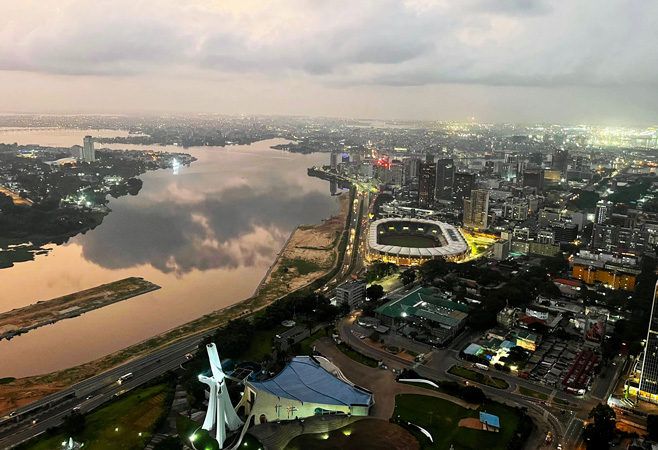 Air travel from France to Ivory Coast links major French airports with Abidjan International Airport.
Why French Travelers Choose Côte d'Ivoire
The historical and cultural ties between France and Côte d'Ivoire create a natural connection for French visitors. French is widely spoken throughout the country, making communication straightforward, while the infrastructure, particularly in southern regions, reflects decades of development and offers relatively modern infrastructure by West African standards, especially in Abidjan.
French travelers are drawn to Côte d'Ivoire for several compelling reasons:
Linguistic ease - French serves as the official language, eliminating language barriers that typically challenge travelers in West Africa. From airport immigration to market negotiations, French speakers navigate with confidence.
Cultural familiarity mixed with authenticity - While maintaining French linguistic and administrative influences, Ivorian culture presents genuinely African traditions, music, cuisine, and artistic expressions that differ dramatically from European experiences.
Convenient access - Regular direct flights connect Paris to Abidjan, with increased frequency during peak travel seasons, with journey times of approximately 6.5 hours, making it more accessible than many African destinations.
Diverse experiences within one country - From cosmopolitan Abidjan to pristine beaches at Assinie, from the mountains of Man to the wildlife of Comoé National Park, Côte d'Ivoire packs remarkable diversity into a manageable geography.
Value for money - Compared to European destinations, Côte d'Ivoire offers exceptional value, with quality accommodation, excellent cuisine, and memorable experiences at reasonable prices.
Entry Requirements for French Travelers to Côte d’Ivoire
French passport holders must meet Ivorian immigration requirements before departure. These rules are strictly enforced at airports.
Passport Validity
The passport must be valid for at least 6 months
At least one blank page required
Visa Requirement
French citizens need a visa to enter Côte d’Ivoire for tourism, business, or private visits. The most convenient option is the Côte d’Ivoire eVisa, which:
- It is applied online before travel
- It is valid for short stays (typically 30 or 90 days, depending on the visa type)
- Requires biometric enrollment on arrival at Abidjan Félix Houphouët-Boigny International Airport
Travelers without a valid visa may be denied boarding or entry.
 Travel from France to Ivory Coast is popular for tourism, business, and visiting family.
Flights from France to Côte d’Ivoire
Direct Flights
There are direct flights from Paris to Abidjan, making travel easy and time-efficient.
Departure airports: Paris Charles de Gaulle (CDG)
Arrival airport: Abidjan (ABJ)
Flight duration: Approximately 6–7 hours
Major airlines operating this route include Air France and other international carriers.
Connecting Flights
Flights with stopovers are also available from:
- Paris
- Lyon
- Marseille
- Nice
Connections usually transit through European or North African hubs.
Health and Vaccination Requirements
Yellow Fever Vaccination
Côte d’Ivoire requires proof of yellow fever vaccination for all travelers aged 9 months and older.
The vaccine must be administered at least 10 days before arrival
An International Certificate of Vaccination (Yellow Card) is mandatory
Without it, travelers may face:
- Denied entry
- Without it, travelers may face entry delays, on-arrival vaccination, or other health control measures
Recommended Vaccinations
Although not mandatory, travelers from France are advised to consider:
- Hepatitis A and B
- Typhoid
- Tetanus
- Routine vaccinations
 Travel from France to Ivory Coast opens the door to exploring West Africa’s diverse landscapes and cities.
Practical Travel Tips for French Visitors
Language and Communication
As a French speaker, you'll navigate Côte d'Ivoire easily. French serves as the lingua franca in business, education, and government. Local languages include Baoulé, Bété, Dioula, and dozens of others, but French is sufficient for most interactions, especially in urban areas and official settings, though local languages are more common in rural regions.
Communication tips:
While French is universal in cities, Ivorian French includes local expressions and accent differences
French Embassy contact:
Embassy of France in Abidjan contact.
Save emergency numbers in your phone before arrival
Currency Exchange
The official currency is the West African CFA franc (XOF). Current exchange rate: approximately €1 = 656 CFA francs (rate is fixed).
Where to exchange money:
Airport exchange counters (slightly less favorable rates but convenient)
Banks in Abidjan offer better exchange rates
ATMs are widely available in Abidjan (major international cards accepted)
Some international hotels and upscale restaurants may accept euros, though exchange rates are usually unfavorable
Financial tips:
Withdraw sufficient cash before traveling to rural areas
Major hotels and restaurants in Abidjan accept credit cards
Carry small denominations for markets and taxis
Notify your bank of travel plans to avoid card blocks
Best Time to Travel from France to Côte d’Ivoire
Côte d’Ivoire has a tropical climate. The best travel period depends on your purpose:
- November to March: Best for tourism (dry season)
- April to July: Rainy season (lush landscapes, fewer tourists)
- August to October: Short dry season, moderate humidity
- For sightseeing, business trips, and festivals, December to February is considered ideal.
Where to Stay in Côte d’Ivoire
Abidjan
Most French travelers stay in Abidjan, the economic capital. Popular districts include:
- Cocody (business & residential)
- Plateau (administrative center)
- Marcory and Zone 4 (restaurants & nightlife)
Other Destinations
- Grand-Bassam: Colonial heritage and beaches
- Yamoussoukro: Political capital and Basilica
- Assinie: Beach resorts near the Ghana border
Getting Around Côte d’Ivoire
Taxis and ride services are widely used in Abidjan
Domestic flights connect major cities
Private drivers are recommended for comfort and safety
Public transport is available, but it may be challenging for first-time visitors
Safety and Travel Tips for French Visitors
Côte d’Ivoire is generally safe in major cities, especially Abidjan
Avoid carrying large amounts of cash
Use registered taxis or hotel-arranged transport
Keep copies of passport and visa documents
Follow local laws and customs
French is the official language, which makes communication easy for travelers from France.
Cultural and Practical Tips
The local currency is the West African CFA franc (XOF)
Credit cards are accepted in major hotels and restaurants
Cash is widely used for daily expenses
Dress modestly outside business and beach areas
Greeting etiquette is important in Ivorian culture
Frequently Asked Questions (FAQ)
Do French citizens need a visa for Côte d’Ivoire?
Yes. French passport holders must obtain a visa before traveling.
Is there a direct flight from France to Côte d’Ivoire?
Yes. Direct flights operate between Paris and Abidjan.
Is Côte d’Ivoire safe for French tourists?
Yes, especially in Abidjan and major tourist areas, when basic precautions are followed.
Is yellow fever vaccination mandatory?
Yes. Proof of yellow fever vaccination is required for entry.
Conclusion
Traveling to Côte d’Ivoire from France is straightforward with proper preparation. With direct flights, a shared language, and a growing tourism infrastructure, Côte d’Ivoire offers French travelers a unique mix of culture, business opportunities, beaches, and vibrant city life.
Ensuring you have the correct visa, vaccinations, and travel documents will allow you to enjoy a safe and rewarding life.
Related Articles
- How to Travel to Côte d’Ivoire from the United Kingdom?
- Best African Landmarks: The Most Famous Natural & Historic Attractions You Should Visit
- Pet Travel to Ivory Coast: Entry Requirements for Dogs & Cats
- Abidjan Cost Guide: How Expensive Is Abidjan for Travelers?
- Best Things to Do in Cocody Abidjan for First-Time Visitors
- USA to Ivory Coast Travel Guide: Flights, Visa, and Tips
- How to Get an Invitation Letter for an Ivory Coast Visa
- Visit Sassandra: Things to Do, Attractions & Local Tips
- Explore Ivory Coast Cultural Tour: Art, Music & Local Life

HOW CAN WE HELP?
 NEED HELP 24/7
 United States
+1 949 346 9868
United States
+1 949 346 9868
 United Kingdom
+44 0330 822 7696
United Kingdom
+44 0330 822 7696
 Singapore
+65 6485 3630
Singapore
+65 6485 3630
 Viber
+65 8174 8526
Viber
+65 8174 8526

APPLY WITH CONFIDENCE


|


