
Best African Landmarks: The Most Famous Natural & Historic Attractions You Should Visit
 By Axel Donovan
| Update on: Aug 25, 2026
By Axel Donovan
| Update on: Aug 25, 2026
Planning to explore Africa beyond Côte d'Ivoire? From the UNESCO-listed Comoé National Park to the Pyramids of Giza and Victoria Falls, Africa is home to some of the world's most remarkable natural and cultural landmarks. This guide highlights the best destinations while providing practical travel information for international visitors.
- Why Visit African Landmarks?
- Famous Natural Landmarks in Africa
- 1. Pyramids of Giza (Egypt)
- 2. Comoé National Park (Côte d'Ivoire)
- 3. Historic Medinas of Marrakech & Fes (Morocco)
- 4. Serengeti National Park (Tanzania)
- 5. Ngorongoro Crater (Tanzania)
- 6. Bwindi Impenetrable National Park (Uganda)
- 7. Mount Kilimanjaro (Tanzania)
- 8. Zanzibar & Stone Town (Tanzania)
- 9. Robben Island (South Africa)
- 10. Victoria Falls (Zambia & Zimbabwe)
- 11. Okavango Delta (Botswana)
- 12. Table Mountain (South Africa)
- 13. Sahara Desert (Morocco)
- 14. Namib Desert & Sossusvlei (Namibia)
- 15. Great Zimbabwe (Zimbabwe)
- Best Countries for African Landmark Travel
- Planning Your African Landmarks Adventure
- Frequently Asked Questions About African Landmarks
- In summary
Why Visit African Landmarks?
Africa is home to:
- More than 100 UNESCO World Heritage Sites.
- Diverse ecosystems, from deserts and rainforests to mountains and coral reefs.
- Ancient archaeological sites dating back thousands of years.
- Some of the world's most famous wildlife reserves.
- Rich cultural traditions shaped by hundreds of ethnic groups.
Each region offers a different travel experience, making Africa an ideal destination for both first-time visitors and seasoned explorers.
Famous Natural Landmarks in Africa
Whether you're interested in history, wildlife, culture, or breathtaking landscapes, these famous African landmarks showcase the incredible diversity of the continent.
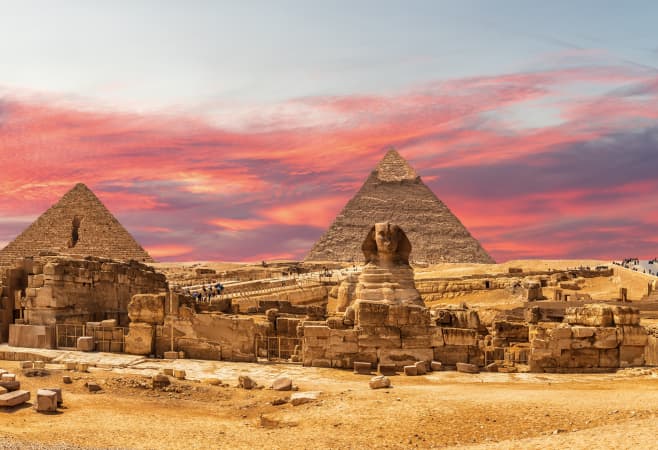 The Great Pyramids of Giza in Egypt are among Africa's most iconic landmarks and ancient engineering marvels
1. Pyramids of Giza (Egypt)
The Pyramids of Giza are Africa's most iconic landmark and the only surviving Wonder of the Ancient World. Located just outside Cairo, the site includes the Great Pyramid, the Great Sphinx, and several ancient tombs that showcase the engineering achievements of ancient Egypt. It's a must-visit destination for anyone interested in history and archaeology.
Best time to visit: October to April.
2. Comoé National Park (Côte d'Ivoire)
Comoé National Park is one of West Africa's largest protected areas and a UNESCO World Heritage Site. Its diverse ecosystems support elephants, hippos, buffalo, antelopes, and more than 500 bird species, making it an excellent destination for wildlife enthusiasts seeking a less-crowded safari experience.
Best time to visit: November to April.
3. Historic Medinas of Marrakech & Fes (Morocco)
The historic medinas of Marrakech and Fes are UNESCO-listed old towns known for their maze-like streets, colorful souks, traditional riads, and centuries-old architecture. They offer an authentic glimpse into Morocco's culture, craftsmanship, and daily life, making them a highlight for travelers exploring North Africa.
Best time to visit: March to May and September to November.
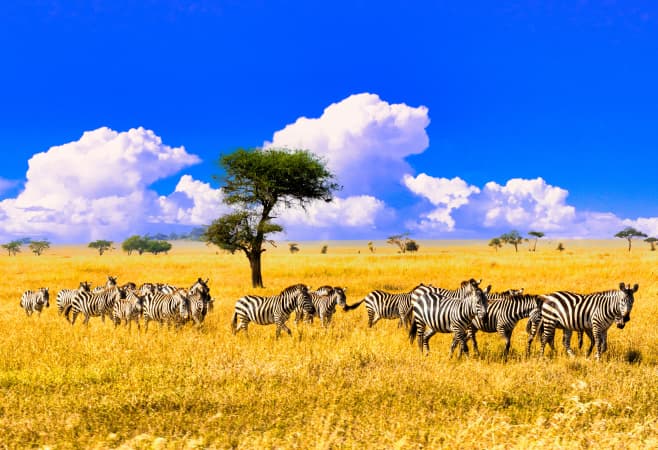 Serengeti National Park offers visitors an authentic African safari experience with spectacular scenery and diverse wildlife
4. Serengeti National Park (Tanzania)
Serengeti National Park is world-famous for the Great Migration, where millions of wildebeest and zebras travel across the plains each year. Beyond the migration, visitors can enjoy exceptional wildlife viewing, including lions, elephants, cheetahs, and giraffes, making it one of Africa's premier safari destinations.
Best time to visit: June to October for wildlife viewing; January to February for calving season.
5. Ngorongoro Crater (Tanzania)
Ngorongoro Crater is the world's largest intact volcanic caldera and one of Africa's best safari destinations. Its fertile landscape supports an impressive variety of wildlife, including the Big Five, making it possible to enjoy rewarding game drives within a single protected area.
Best time to visit: June to October.
6. Bwindi Impenetrable National Park (Uganda)
Bwindi Impenetrable National Park is one of the few places in the world where travelers can see endangered mountain gorillas in their natural habitat. Gorilla trekking through the ancient rainforest is considered one of Africa's most unforgettable wildlife experiences.
Best time to visit: June to August and December to February.
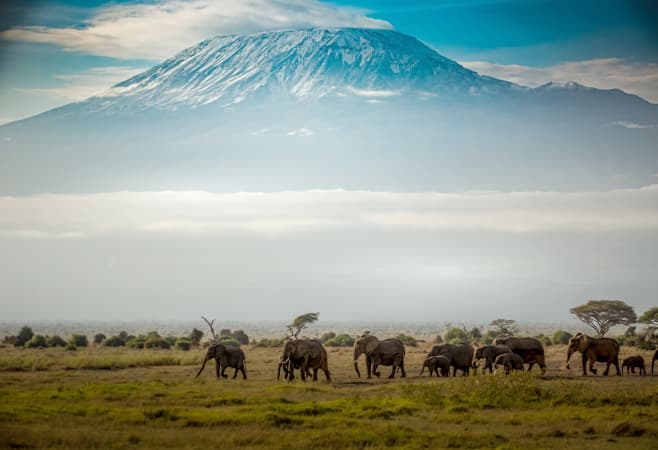 Mount Kilimanjaro in Tanzania is Africa's highest peak and a dream destination for hikers and adventure travelers
7. Mount Kilimanjaro (Tanzania)
Mount Kilimanjaro is Africa's highest mountain, rising 5,895 meters above sea level. Known for its snow-capped summit and diverse landscapes, it attracts hikers from around the world. Several guided routes are available, ranging from moderate to challenging, with spectacular views along the climb.
Best time to visit: January to March and June to October.
8. Zanzibar & Stone Town (Tanzania)
Zanzibar combines idyllic white-sand beaches with the rich cultural heritage of Stone Town, a UNESCO World Heritage Site. Visitors can explore historic streets, spice plantations, vibrant markets, and crystal-clear waters, making it an excellent destination for both relaxation and cultural discovery.
Best time to visit: June to October and December to February.
9. Robben Island (South Africa)
Robben Island is best known as the prison where Nelson Mandela spent 18 years during South Africa's apartheid era. Today, it serves as a museum and UNESCO World Heritage Site, offering guided tours that explore the country's journey toward democracy.
Best time to visit: September to April.
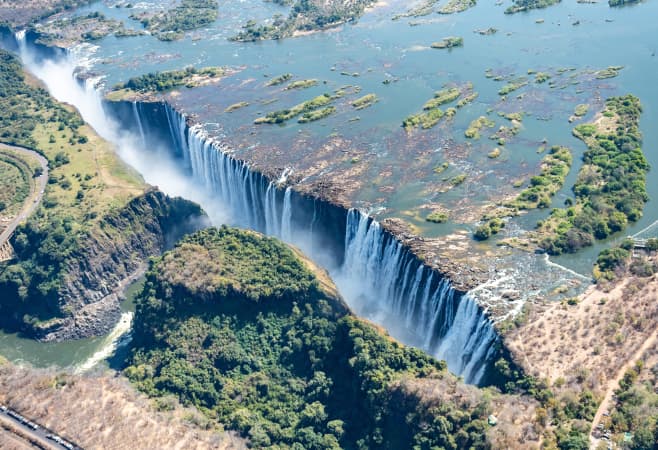 Victoria Falls, shared by Zambia and Zimbabwe, is one of the world's largest and most breathtaking waterfalls
10. Victoria Falls (Zambia & Zimbabwe)
Victoria Falls is one of the largest and most spectacular waterfalls in the world. Known locally as Mosi-oa-Tunya ("The Smoke That Thunders"), it offers breathtaking viewpoints, scenic helicopter flights, river cruises, and thrilling adventure activities such as white-water rafting.
Best time to visit: February to May for peak water flow; August to December for adventure activities.
11. Okavango Delta (Botswana)
The Okavango Delta is one of Africa's most remarkable wetlands, where seasonal floodwaters create a rich habitat for elephants, hippos, lions, and hundreds of bird species. Visitors can explore the delta by traditional mokoro canoe or on a guided safari, offering a unique wildlife experience.
Best time to visit: June to August.
12. Table Mountain (South Africa)
Table Mountain overlooks Cape Town and is one of South Africa's most recognizable landmarks. Visitors can reach the summit by cable car or hiking trail to enjoy panoramic views of the city, coastline, and surrounding mountains.
Best time to visit: October to April.
13. Sahara Desert (Morocco)
The Sahara Desert offers one of Africa's most unforgettable landscapes, with towering sand dunes, star-filled skies, and traditional Berber culture. Visitors can enjoy camel trekking, overnight desert camps, and breathtaking sunrise or sunset views across the dunes, making it one of North Africa's signature travel experiences.
Best time to visit: October to April.
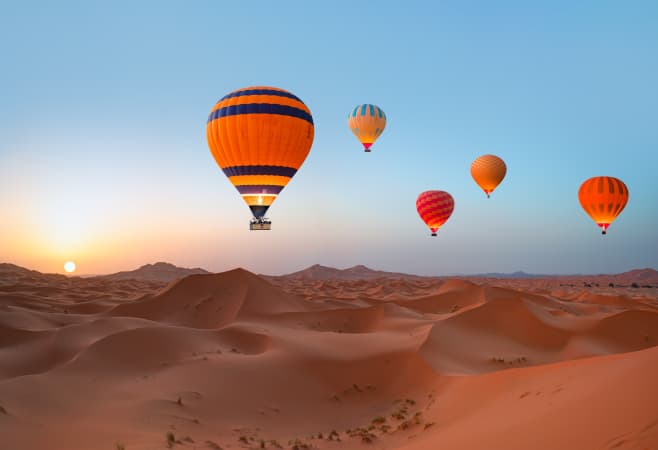 Namib Desert sand dunes in Namibia showcase dramatic red landscapes and some of the tallest dunes on Earth
14. Namib Desert & Sossusvlei (Namibia)
The Namib Desert is home to Sossusvlei, famous for its towering red sand dunes and striking landscapes. Visitors can climb iconic dunes, photograph the ancient trees of Deadvlei, and experience one of the world's oldest deserts.
Best time to visit: May to October.
15. Great Zimbabwe (Zimbabwe)
Great Zimbabwe is the largest ancient stone city in sub-Saharan Africa and a UNESCO World Heritage Site. Its impressive dry-stone walls and archaeological remains provide insight into the region's powerful medieval kingdom and rich cultural history.
Best time to visit: May to October.
Best Countries for African Landmark Travel
Africa offers an incredible variety of landmarks, with each country providing its own unique mix of history, wildlife, and natural beauty. If you're planning your first trip, these destinations are among the best places to experience the continent's most iconic attractions.
| Country |
Top African Landmarks |
Best For |
| Egypt |
Pyramids of Giza, Great Sphinx, Abu Simbel, Luxor Temples |
Ancient history, archaeology, Nile cruises |
| Tanzania |
Serengeti National Park, Ngorongoro Crater, Mount Kilimanjaro, Zanzibar |
Safaris, wildlife, hiking, beaches |
| South Africa | Table Mountain, Kruger National Park, Robben Island, Garden Route | Scenic landscapes, wildlife, history, road trips |
| Morocco |
Sahara Desert, Marrakech Medina, Fes Medina, Aït Benhaddou |
Culture, architecture, desert adventures |
| Botswana | Okavango Delta, Chobe National Park | Luxury safaris, wildlife, birdwatching |
| Namibia |
Sossusvlei, Namib Desert, Skeleton Coast, Etosha National Park |
Desert landscapes, photography, self-drive adventures |
| Kenya |
Maasai Mara National Reserve, Amboseli National Park, Lake Nakuru |
Safari, wildlife photography, cultural experiences |
| Ethiopia | Rock-Hewn Churches of Lalibela, Simien Mountains National Park, Gondar Castles | History, trekking, UNESCO World Heritage Sites |
| Zimbabwe & Zambia |
Victoria Falls, Zambezi River |
Waterfalls, adventure activities, safaris |
| Côte d'Ivoire (Ivory Coast) |
Comoé National Park, Grand-Bassam, Basilica of Our Lady of Peace |
West African culture, UNESCO sites, wildlife, beaches |
Planning Your African Landmarks Adventure
When to Visit: The best time varies by region. For Southern and East African safaris, the dry season from June to October offers peak wildlife viewing. For North Africa, October to April is more comfortable for exploring historical sites. Let's explore the best time to visit Africa for your planned trip.
Getting Around: Intra-Africa flights (via hubs like Johannesburg, Nairobi, or Addis Ababa) are improving. Consider multi-country itineraries or focus on one region per trip.
Visa & Practicalities: Many countries offer e-visas or visa-on-arrival. Check requirements early. Many African countries require a Yellow Fever Vaccination Certificate if you're arriving from or transiting through countries with risk of transmission. Travel insurance covering medical evacuation and adventure activities is highly recommended.
Tour vs. Independent Travel: For first-time visitors, a guided tour can ease the logistics, especially for safaris and gorilla trekking permits, which should be booked well in advance
Responsible Travel: Support local guides and communities, follow park rules, and choose eco-friendly operators to help preserve these landmarks for future generations.
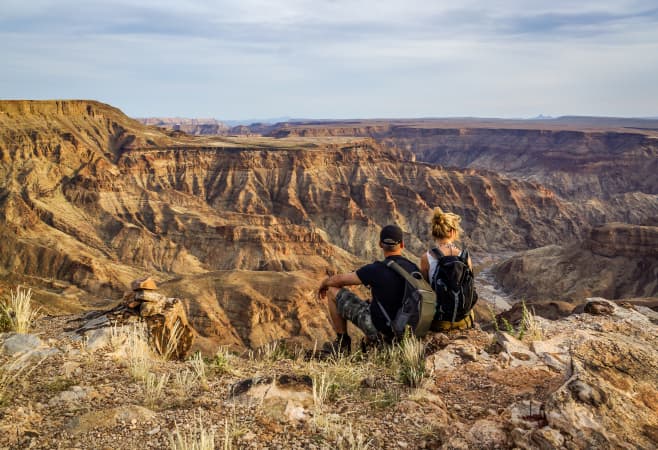 Blyde River Canyon in South Africa is one of the world's largest green canyons, offering spectacular cliffs and viewpoints
Frequently Asked Questions About African Landmarks
Which African landmarks are UNESCO World Heritage Sites?
Examples include the Pyramids of Giza, Great Zimbabwe, Stone Town, Robben Island, Lalibela, Comoé National Park, Simien Mountains National Park, and the Okavango Delta.
Can I visit several African countries on one trip?
Yes. Many travelers combine the Ivory Coast with neighboring countries such as Ghana, Senegal, or Benin, while longer itineraries may include destinations in East or Southern Africa. Be sure to check visa requirements and transportation options before your trip.
What is the best time to explore African landmarks?
There's no single answer since the continent spans multiple climate zones. The ideal travel season depends on the region. Broadly: East and Southern Africa favor June–October (dry season), while North Africa favors October–April (avoiding summer heat).
Is the Ivory Coast safe for landmark tourism?
Major tourist routes — Abidjan, Grand-Bassam, Yamoussoukro — are generally considered safe with normal travel precautions. Remote areas near Comoé and the northern border have had periods of instability, so checking current travel advisories before heading to less-visited regions is worth doing.
Do I need separate visas for different African countries?
Yes. Most African countries have their own entry requirements and visa policies. Some regions offer simplified visa schemes, but travelers should always check the latest requirements for each destination before departure.
In summary
Africa’s landmarks aren’t just sights to tick off — they’re places that leave a lasting impact through their scale, stories, and the warmth of the people you meet along the way. From the pyramids standing guard over the desert to thundering waterfalls and wildlife spectacles, the continent rewards every type of traveler.
If Côte d'Ivoire is your first stop in Africa, check the latest Ivory Coast visa requirements before planning your multi-country itinerary.
Related Articles
- How to Travel to Côte d’Ivoire from the United Kingdom?
- Pet Travel to Ivory Coast: Entry Requirements for Dogs & Cats
- Abidjan Cost Guide: How Expensive Is Abidjan for Travelers?
- Best Things to Do in Cocody Abidjan for First-Time Visitors
- USA to Ivory Coast Travel Guide: Flights, Visa, and Tips
- How to Get an Invitation Letter for an Ivory Coast Visa
- Visit Sassandra: Things to Do, Attractions & Local Tips
- Explore Ivory Coast Cultural Tour: Art, Music & Local Life
- Traveling to Côte d’Ivoire from France: Visa & Entry Checklist

HOW CAN WE HELP?
 NEED HELP 24/7
 United States
+1 949 346 9868
United States
+1 949 346 9868
 United Kingdom
+44 0330 822 7696
United Kingdom
+44 0330 822 7696
 Singapore
+65 6485 3630
Singapore
+65 6485 3630
 Viber
+65 8174 8526
Viber
+65 8174 8526

APPLY WITH CONFIDENCE


|


