
Best Time to Visit Africa: A Complete Guide for Every Traveler
 By Axel Donovan
| Update on: Dec 29, 2025
By Axel Donovan
| Update on: Dec 29, 2025
Planning a trip to Africa is exciting—this vast continent offers world-class safaris, pristine beaches, dramatic mountains, vibrant cultures, and year-round sunshine in many regions. However, because Africa spans multiple climates and ecosystems, the best time to visit Africa depends on the type of experience you want: wildlife viewing, beach holidays, cultural festivals, adventure travel, or city explorations.
This guide breaks down the best travel seasons across major African regions, key weather patterns, and month-by-month tips to help you plan the perfect trip.
Understanding Africa's Climate Zones
Africa encompasses several distinct climate regions that influence travel conditions throughout the year. The continent experiences:
Tropical Climate (Equatorial Regions): Equatorial climates occur mainly in countries like Uganda and the Democratic Republic of Congo. Kenya includes small equatorial regions around Lake Victoria, while Tanzania is predominantly characterized by a tropical savanna climate. Countries located along the equator, including parts of Kenya, Uganda, and the Democratic Republic of Congo, experience relatively stable temperatures year-round with distinct wet and dry seasons.
Much of Sub-Saharan Africa is influenced by tropical savanna, semi-arid, and subtropical climates, resulting in distinct wet and dry seasons in destinations such as South Africa, Botswana, and Namibia.
Mediterranean Climate: North African countries such as Morocco, Tunisia, and northern Egypt feature hot, dry summers and mild, wet winters.
Arid and Semi-Arid Zones: The Sahara Desert and surrounding regions experience extreme temperature fluctuations and minimal rainfall, requiring specific timing considerations.
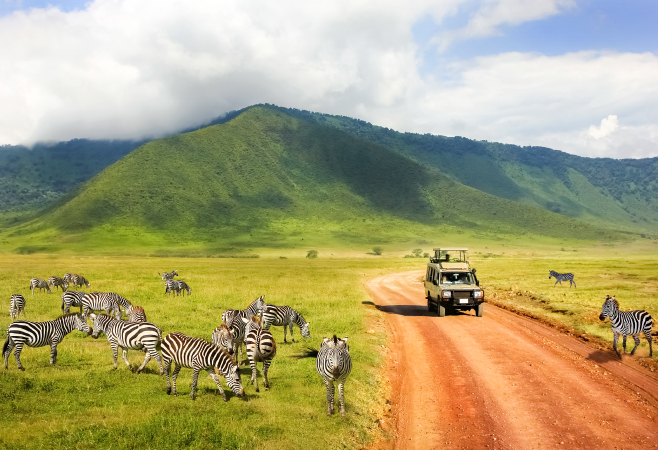 Comfortable weather makes exploration easier in many African regions.
Why the Best Time to Visit Africa Matters
Africa’s climates range from equatorial rainforests to desert landscapes and Mediterranean coastlines. Understanding the seasonal variations helps travelers:
- Avoid heavy rains, extreme heat, or inaccessible roads
- Maximize wildlife sightings during safari trips
- Choose the best months for beach vacations
- Attend major cultural events
- Plan immigration/visa requirements during high travel seasons
Best Time to Visit Africa
With 54 countries spanning multiple climate zones, Africa offers year-round travel opportunities, though optimal timing varies significantly by destination and travel objectives.
Best Time to Visit Africa by Region
1. East Africa (Kenya, Tanzania, Uganda, Rwanda) – Best for Safaris & Mountains
East Africa is famous for iconic wildlife experiences, including the Great Migration, gorilla trekking, and Kilimanjaro climbs.
Best Time to Visit: June to October (Dry Season)
- Moderate temperatures
- Wildlife concentrated around water sources
- Minimal rainfall—excellent visibility
Highlights:
- Kenya & Tanzania: Great Migration (July–September)
- Uganda & Rwanda: Gorilla trekking—best in June–October & December–February
- Zanzibar: Clear waters for snorkeling (June–October)
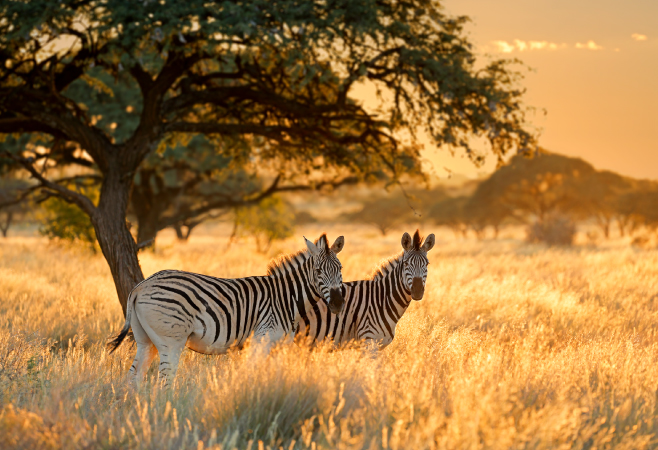 Wildlife sightings at their best during Africa’s peak travel season.
2. Southern Africa (South Africa, Botswana, Namibia, Zambia, Zimbabwe)
Southern Africa offers a mix of wildlife, beaches, wine regions, and adventure landscapes.
Best Time to Visit: May to October (Dry Season & Comfortable Temperatures)
Ideal for:
- Safaris in Botswana, Zambia, Zimbabwe
- Victoria Falls is at its most powerful from March to May, shortly after the rainy season, while June still offers impressive views as water levels gradually begin to decrease.
For Cape Town & Garden Route:
- November to March is best for warm, beach-friendly weather.
3. West Africa (Ivory Coast, Ghana, Senegal, Nigeria) – Best for Culture, Festivals & Beaches
West Africa shines during the dry season when humidity is lower, and coastlines are at their best.
Best Time to Visit: November to March (Dry Season)
- Pleasant temperatures
- Safer and easier road travel
- Best time for exploring national parks in Côte d'Ivoire (Taï, Comoé)
Event
- Ivory Coast: Fêtes des Masques (dates vary, often held between November and December)
- Ghana: Afrochella & Christmas festivals (December)
- Senegal: Saint-Louis Jazz Festival (May)
4. North Africa (Egypt, Morocco, Tunisia, Algeria) – Best for Desert Adventures & City Tours
North Africa has a Mediterranean and desert climate.
Best Time to Visit: October to April
- Comfortable for exploring the Sahara dunes
- Cooler weather for historic cities like Cairo, Marrakech & Tunis
Avoid midday desert excursions in June–August, but coastal areas in Egypt remain popular and comfortable during summerAvoid: June–August: Extremely hot desert temperatures, especially in Egypt and Algeria.
 Clear skies and mild weather during one of the best times to visit Africa.
Best Time to Visit Africa by Travel Interest
1. Safari Timing
Wildlife enthusiasts should align their travel with Africa's dry seasons when animals gather at predictable water sources. Game viewing reaches its peak during these periods:
- East Africa: July to October (Serengeti/Maasai Mara)
- Southern Africa: June to September (Kruger, Chobe, Etosha)
- West Africa: December to March (Pendjari, Taï)
Best time - June–October: The dry season improves visibility and animal concentration.
2. Great Migration
The Great Wildebeest Migration follows a circular route between Tanzania's Serengeti and Kenya's Maasai Mara. Key events occur:
- January to March: Calving season in the southern Serengeti
- June to July: Western corridor river crossings
- July to October: Maasai Mara river crossings
- November to December: Return south to the Serengeti
3. Gorilla Trekking
Mountain gorilla trekking in Rwanda and Uganda operates year-round, though drier months (June to September and December to February) offer easier hiking conditions. Permits require advance booking regardless of season due to limited daily availability.
4. Beaches & Islands
The best beach season varies by region. May to October is ideal for the East African coast, including Zanzibar and the Kenya Coast, while island destinations such as Seychelles and Mauritius enjoy favorable beach conditions for much of the year, particularly from April to November.
5. Hiking & Adventure
Hiking conditions are generally best from June to September, though some mountain regions also offer excellent trekking opportunities during the drier months from January to March.
- Kilimanjaro
- Rwenzori Mountains
- Drakensberg Mountain Range
6. Cultural Festivals and Special Events
Timing visits to coincide with cultural events enhances travel experiences:
- Festival au Désert (Mali): January
- Timkat Festival (Ethiopia): January
- Cape Town International Jazz Festival (South Africa): March
- Fes Festival of World Sacred Music (Morocco): May
- Zanzibar International Film Festival: July
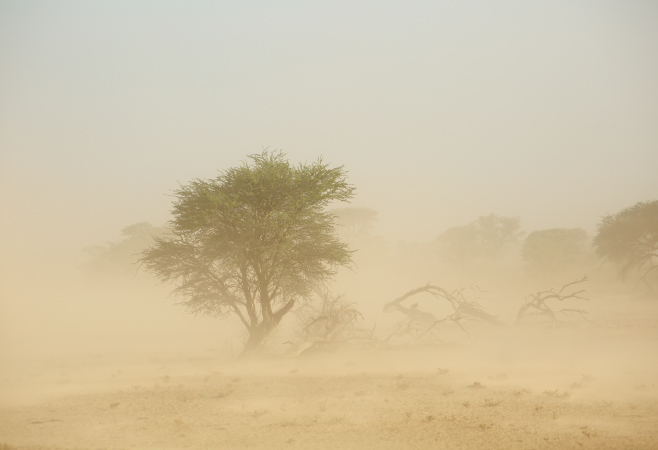 Avoid extreme temperatures that may affect comfort and travel plans.
Best time to visit by Budget
High Season Pricing
Peak travel periods command premium pricing for accommodations, flights, and tours. High season typically includes:
- June to October across most safari destinations
- December to January during holiday periods
- July to August coincides with European summer holidays
Value Periods
Travelers can achieve significant savings during shoulder and low seasons:
- March to May: East African green season
- November: Transition period in many regions
- January to February: Post-holiday lull
Budget-conscious travelers should monitor accommodation rates, which can decrease by 30-50% during off-peak periods, while maintaining access to most attractions and activities.
Travel & Immigration Tips for Visiting Africa
Here are essential pointers for smooth entry and travel:
1. Check Visa Requirements Early
Each African country has different immigration rules. Many offer:
- eVisa (e.g., Kenya, Ethiopia, Uganda)
- Visa on arrival (e.g., Tanzania, Rwanda)
- Ivory Coast (Côte d'Ivoire) offers a fast eVisa system for air arrivals at Abidjan Airport
2. Book Early During Peak Season
June–October is the peak safari season. Its prices increase.
3. Vaccinations & Health
Common travel requirements include:
- Yellow fever certificate
- Malaria prevention in many regions
4. Seasonal Travel Costs
- High season: June–October
- Shoulder season: April–May
- Low season: March & November in many safari destinations
FAQ Section About the Best Time to Visit Africa
What is the worst time to visit Africa for a safari?
The peak of the rainy season (often April/May in East/Southern Africa) can be challenging due to impassable roads, thick vegetation, and animals being more dispersed. However, "worst" is subjective—this period has its own rewards for seasoned travelers.
When is the cheapest time to travel to Africa?
The low or "green" season (typically during the rainy months) offers the best value, with lower rates on lodges and tours. Shoulder seasons (just before or after peak) also provide a good balance of value and conditions.
Can I visit Africa during the rainy season?
Absolutely. While daily afternoon showers are likely, mornings are often clear. The landscapes are stunningly green, crowds are minimal, and prices are lower. It's excellent for bird watching, photography, and cultural visits.
What is the best month to see the Great Migration river crossings?
The dramatic river crossings in the Masai Mara/Serengeti ecosystem are most reliably seen between July and October, with August and September being particularly peak.
When is the best weather in the Ivory Coast?
The most pleasant and reliably dry weather for travel in the Ivory Coast is during its primary dry season, from November through March.
Conclusion: When Is the Best Time to Visit Africa?
The best time to visit Africa depends on what you want to experience, but June to October is generally considered the best period for safaris and outdoor adventures, while November to March tends to offer more favorable conditions for travel in West Africa, North Africa, and for attending cultural festivals. The continent offers year-round opportunities—whether you're exploring the wildlife of East Africa, the beaches of the Ivory Coast, or the historical wonders of Egypt.
Related Articles
- How to Travel to Côte d’Ivoire from the United Kingdom?
- Best African Landmarks: The Most Famous Natural & Historic Attractions You Should Visit
- Pet Travel to Ivory Coast: Entry Requirements for Dogs & Cats
- Abidjan Cost Guide: How Expensive Is Abidjan for Travelers?
- Best Things to Do in Cocody Abidjan for First-Time Visitors
- USA to Ivory Coast Travel Guide: Flights, Visa, and Tips
- How to Get an Invitation Letter for an Ivory Coast Visa
- Visit Sassandra: Things to Do, Attractions & Local Tips
- Explore Ivory Coast Cultural Tour: Art, Music & Local Life
- Traveling to Côte d’Ivoire from France: Visa & Entry Checklist

HOW CAN WE HELP?
 NEED HELP 24/7
 United States
+1 949 346 9868
United States
+1 949 346 9868
 United Kingdom
+44 0330 822 7696
United Kingdom
+44 0330 822 7696
 Singapore
+65 6485 3630
Singapore
+65 6485 3630
 Viber
+65 8174 8526
Viber
+65 8174 8526

APPLY WITH CONFIDENCE


|


