
Is Ivory Coast Safe To Visit? What Travelers Need To Know
 By Azure Lee
| Update on: Dec 18, 2025
By Azure Lee
| Update on: Dec 18, 2025
Ivory Coast, also known as Côte d'Ivoire, is a country of contrasts. The Atlantic Ocean laps against beaches with golden sand and coconut trees in the south. Traveling north will put you in the middle of Tai National Park's untamed mountains and thick jungles. There is a patchwork of cultivated woods, savannas, and plantations in between. This country offers a distinctive West African experience as native tribal cultures blend with French colonial influences.
However, before we plan our journey, the questions we need to answer are: "Is Ivory Coast safe to live in? Is it safe to travel to the Ivory Coast? Is the Ivory Coast safe for tourists?"
Safety is always a major concern for travelers. This article will examine the state of safety at the moment and offer travel tips and top attractions in the Ivory Coast.
Is Ivory Coast Safe To Visit?
When visiting a foreign country, one of the crucial questions that travelers often have is about safety. So, is the Ivory Coast safe for foreigners?
Don't worry, the Ivory Coast is safe to travel to. The turbulent past is no longer there. Over the years, the nation's economy has recovered, and people's overall financial situation has improved. Ivory Coast is home to numerous national parks and is a popular business location for many organizations.

Ivory Coast is safe to travel to
How Safe Is the Ivory Coast?
Safety
Even though the Ivory Coast is quite safe for tourists, small crimes, some unrest, and the risk of terrorist acts are things to think about.
- Stay informed: Keep an eye on local news and follow any travel advisories.
- Avoid large crowds: Public events and celebrations may be fun, but it's always best to be mindful of your surroundings.
- Honor local ways: Being kind and respectful can help make good connections with people there.
- Keep your things safe: When you travel, it's wise to look after your stuff and not show off pricey items in crowded areas.
- Pick safe places to stay: Choose hotels or guesthouses that have strong reviews and good safety measures.
Health & Medical
Visitors visiting the Ivory Coast should take the appropriate safety measures and be mindful of any possible health hazards. Here are some important things to think about:
- Vaccinations: Ensure you have routine travel vaccinations, including yellow fever, before your trip.
- Mosquito Protection: Since the Ivory Coast is a tropical country, carrying insect repellent and wearing light, long-sleeved clothing can help prevent mosquito bites.
- Medical Services: The major cities, especially Abidjan, have well-equipped healthcare facilities. It’s recommended to have travel insurance that covers medical emergencies for peace of mind.
- Stay Hydrated: Drink bottled or filtered water to avoid any stomach discomfort.
- Food Safety: Enjoy the delicious Ivorian cuisine, but opt for well-cooked meals and be cautious with street food to prevent digestive issues.
You can refer to travel insurance at Ivory Coast Immigration Services. It can be helpful if you experience any health problems or other difficulties while traveling.

Visitors visiting the Ivory Coast should take the appropriate safety measures
Cultural Etiquette
Ivory Coast is a diverse and culturally rich country with traditions that visitors should respect:
- Dress code: While Ivory Coast is generally open and welcoming, modest dress and polite behavior are appreciated.
- Photography: Be mindful when taking photos near government buildings or sensitive locations.
- Respect for local traditions: Engaging with the local culture by learning a few French phrases and respecting customs will enhance your experience.
- Tipping culture: Tipping is appreciated in restaurants and for service providers, though not mandatory.
Transportation
Moving around the Ivory Coast is relatively easy. Here are the best ways to travel comfortably:
- Private transportation: Hiring a local driver is one of the easiest and safest ways to explore.
- Public transport: Cities like Abidjan have buses and shared taxis that provide affordable transport options, though they can be busy during peak hours.
- Domestic flights: For long-distance travel, domestic flights are available between major cities.
- Car rentals: Renting a car can be an option for experienced drivers, but it’s recommended to hire a driver familiar with local traffic conditions.
- Night travel: For a smooth trip and to completely appreciate the surroundings, it is recommended to travel during the day.
- Boat trips: If you want to experience a different perspective of the beauty of the Ivory Coast, try a scenic cruise in the coastal areas and lagoons.

Safety in the Ivory Coast is always a major concern for travelers
Travel Advice for Safety in the Ivory Coast
Traveling to the Ivory Coast can be a rewarding experience, but it requires careful planning and awareness of local conditions to ensure safety. Read on for a roundup of things to keep in mind when traveling to the Ivory Coast.
Major cities like Abidjan and Yamoussoukro are generally thought to be safer for travelers than rural or border areas. The hub of the economy, Abidjan, the economic capital, offers a mix of urban attractions and modern infrastructure, though travelers should still exercise caution, especially at night. Visitors can also explore Yamoussoukro, which is home to famous buildings like the Basilica of Our Lady of Peace, without worrying as much about security.
The situation is precarious close to Mali's and Burkina Faso's borders. Because of the existence of armed groups, there is a constant risk of terrorist activity. Conflicts between security forces and armed groups could occur.
Additionally, it's essential to have important emergency contact numbers readily available. Having these numbers saved can be a lifesaver if you encounter any difficulties during your trip. Below are essential numbers to keep handy during your trip:
- Police (Emergency): 111
- Ambulance Services: 185
- Fire Brigade: 180
- Tourist Assistance (Ministry of Tourism): +225 20 21 61 0
- Abidjan International Airport (Emergency Desk): +225 21 75 79 79
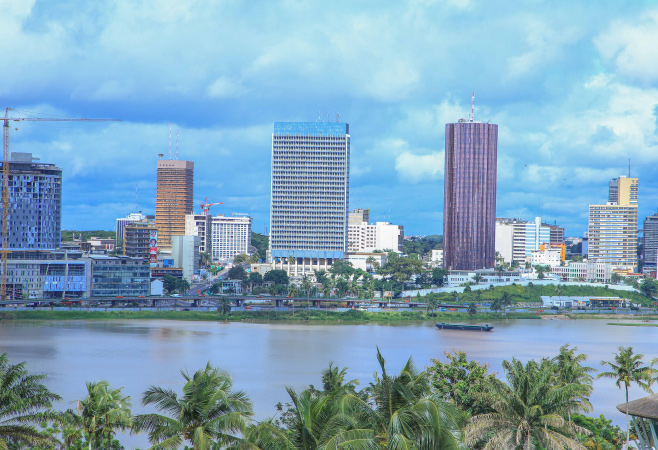
Travel advice for safety in the Ivory Coast
FAQs
Is Ivory Coast a safe country?
Although travelers should exercise caution due to sporadic civil instability and criminality, the Ivory Coast is generally safe. Steer clear of crowds, protests, and nighttime travel. Use reliable transportation and guides, and stay in large cities and popular tourist destinations.
Is Ivory Coast safe for solo female travelers?
Women traveling alone in Côte d'Ivoire should be careful. It is not very risky, but it is best to dress modestly, stay away from remote locations, and avoid going alone at night. Stay alert and get aid if you need it because harassment can happen.
Is Cote d'Ivoire safe for families?
Ivory Coast can be visited with families, but use caution. Choose resorts and activities that are suitable for families. Make sure kids' vaccinations are current and bring the required prescriptions.
Can I drink tap water in Ivory Coast?
Local water sources are regarded as dangerous and ought to be avoided at all costs. It is highly recommended that all visitors to the country drink only bottled water and only drink tap and other local water after it has been fully boiled.
What is the currency in Ivory Coast?
The West African CFA franc (XOF) is the currency used in Côte d'Ivoire. While major towns and tourist destinations accept credit cards, smaller purchases are best done with cash.
Do I need a visa to go to the Ivory Coast?
Yes, to enter the Ivory Coast, most visitors must have a valid visa. The easiest way to obtain a visa is through the e-Visa system, which is available for tourism and business purposes. Although this e-Visa is valid for 90 days and permits repeated visits, you are only permitted to stay for a maximum of 30 days per visit.
Related Articles
- How to Travel to Côte d’Ivoire from the United Kingdom?
- Best African Landmarks: The Most Famous Natural & Historic Attractions You Should Visit
- Pet Travel to Ivory Coast: Entry Requirements for Dogs & Cats
- Abidjan Cost Guide: How Expensive Is Abidjan for Travelers?
- Best Things to Do in Cocody Abidjan for First-Time Visitors
- USA to Ivory Coast Travel Guide: Flights, Visa, and Tips
- How to Get an Invitation Letter for an Ivory Coast Visa
- Visit Sassandra: Things to Do, Attractions & Local Tips
- Explore Ivory Coast Cultural Tour: Art, Music & Local Life
- Traveling to Côte d’Ivoire from France: Visa & Entry Checklist

HOW CAN WE HELP?
 NEED HELP 24/7
 United States
+1 949 346 9868
United States
+1 949 346 9868
 United Kingdom
+44 0330 822 7696
United Kingdom
+44 0330 822 7696
 Singapore
+65 6485 3630
Singapore
+65 6485 3630
 Viber
+65 8174 8526
Viber
+65 8174 8526

APPLY WITH CONFIDENCE


|


